DINITROL 4941/CAR
Black Bitumen-Based Underbody Coating for Long-Term Corrosion and Wear Protection
DINITROL 4941/CAR is a solvent-borne, bitumen-based underbody coating designed for complete or partial treatment of cars and other vehicles. It is used in vehicle production, pre-delivery inspection facilities, repair shops, and aftermarket corrosion protection applications.
The bitumen base is one of the defining characteristics of this undercoating. Bitumen helps the product form a substantial black protective film with strong adhesion, flexibility, and resistance to mechanical wear. This makes DINITROL 4941 suitable for exposed underbody areas that may encounter road debris, moisture, dirt, and changing temperatures.
After drying, Dinitrol 4941 forms a firm, flexible, hard and waxy black film on clean and dry metal surfaces. The manufacturer states that zinc, rubber, and plastic parts are not harmed by the product when it is used as directed.
This bitumen undercoating can also be used to protect spare parts, machinery, and iron or steel structures during storage or transport in corrosive environments.
Key Benefits
- Long-term underbody corrosion protection
- Bitumen-based formula for a substantial protective film
- Firm, flexible black finish
- Strong adhesion to clean and dry metal surfaces
- Good resistance to mechanical wear
- Suitable for full or partial vehicle underbody applications
- Low-temperature adhesion down to -4°F (-20°C)
- Heat resistance up to 266°F (130°C)
- Can be applied manually or with pneumatic spray equipment
- Paintable when properly prepared and overcoated
- OEM references listed by the manufacturer
Why Choose a Bitumen-Based Underbody Coating?
Bitumen-based coatings are commonly used on exposed vehicle underbodies where a thicker protective film is needed. Unlike thin cavity treatments that are designed to penetrate seams and enclosed spaces, DINITROL 4941/CAR remains on the exposed surface and forms the outer layer of the corrosion protection system.
Its bitumen base helps provide:
- A substantial black protective film
- Strong adhesion to properly prepared surfaces
- Resistance to abrasion and mechanical wear
- Flexibility under changing temperatures
- Coverage suited to exposed underbody components
DINITROL 4941 should be distinguished from thinner cavity protection products such as DINITROL ML. DINITROL ML is designed to penetrate seams, overlaps, and corroded areas, while Dinitrol 4941 CAR forms the thicker exterior underbody coating.
Recommended Applications
DINITROL 4941/CAR may be used for:
- Vehicle underbodies
- Wheel housings and exposed lower-body areas
- Full or partial underbody treatment
- Underbody repairs and touch-ups
- Aftermarket corrosion protection
- Vehicle production and pre-delivery treatment
- Spare parts and machinery
- Iron and steel structures
- Components stored or transported in corrosive environments
Surface Preparation
Apply DINITROL 4941/CAR only to surfaces that are clean, dry, and free from loose corrosion, oil, grease, and other contaminants.
If corrosion is present, remove loose and flaking rust before treatment. DINITROL ML or another suitable DINITROL cavity protection product should be applied first as a penetrating corrosion protection layer.
The penetrating first layer must remain thin enough to allow the DINITROL 4941/CAR coating to adhere properly. Follow the relevant product instructions when using the products as a two-layer corrosion protection system.
Application Guidance
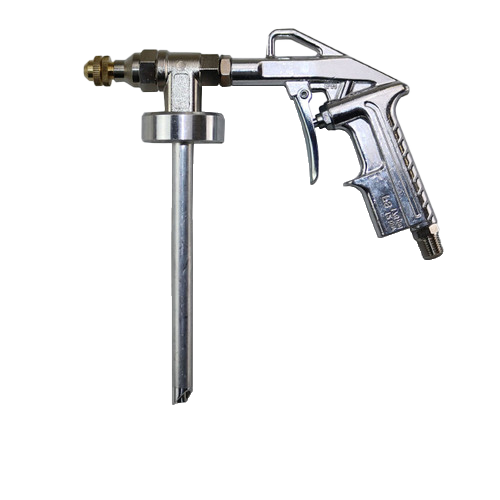
DINITROL 4941/CAR can be applied manually or with suitable pneumatic spray equipment, including airless or airmix systems.
- Recommended product and application temperature: 59°F to 86°F (15°C to 30°C)
- Recommended wet film thickness: 500 to 800 microns
- Recommended dry film thickness: 300 to 500 microns
- Typical dust-dry time at 68°F (20°C): 6 to 12 hours
The coating may be applied in one or more passes as needed to reach the recommended film thickness. Drying time can vary with film thickness, temperature, airflow, and application conditions.
Typical Technical Data
- Color: Black
- Base Material: Bitumen
- Film Type: Hard, waxy
- Density: Approximately 1.10 g/cm³
- Viscosity at 23°C: 800 mPa·s
- Dry Matter Content: 69% by weight
- Flash Point: 96.8°F (36°C)
- Recommended Wet Film Thickness: 500 to 800 microns
- Recommended Dry Film Thickness: 300 to 500 microns
- Typical Dust-Dry Time at 20°C: 6 to 12 hours
- Low-Temperature Adhesion: -4°F (-20°C)
- Heat Resistance: 266°F (130°C)
- Removable With: Hydrocarbon solvents
Features salt spray resistance of more than 2,000 hours at a 500-micron dry film thickness in a two-layer laboratory test, with results up to 3,000 hours. Laboratory test results do not establish a fixed service life for every vehicle or operating environment.
Painting and Overcoating
DINITROL 4941/CAR can be painted. Confirm that the coating has dried sufficiently and that the selected paint system is compatible before applying a topcoat.
When Dinitrol 4941 is used as part of a two-layer corrosion protection system, follow the required timing and film thickness for both the penetrating first layer and the final bitumen underbody coating.
Storage
When stored in a cool, dry place, the manufacturer lists a shelf life of at least two years in an unopened original container.
Frequently Asked Questions
What is DINITROL 4941/CAR used for?
DINITROL 4941/CAR is used as a black underbody coating for corrosion and wear protection on cars and other vehicles. It can also be used on spare parts, machinery, and iron or steel structures during storage or transport.
Is DINITROL 4941/CAR a bitumen-based undercoating?
Yes. DINITROL 4941/CAR is a solvent-borne, bitumen-based underbody coating. It dries to a firm, flexible, hard and waxy black film.
What are the benefits of a bitumen-based underbody coating?
A bitumen-based undercoating forms a substantial protective layer on exposed underbody surfaces. In DINITROL 4941/CAR, the bitumen base supports adhesion, flexibility, wear resistance, and the formation of a durable black film.
Can DINITROL 4941/CAR be applied over rust?
It should not be applied directly over loose or flaking rust. Remove loose corrosion and thoroughly clean and dry the surface first. If corrosion remains, apply DINITROL ML or another suitable penetrating DINITROL cavity protection product before the DINITROL 4941/CAR layer.
What is the recommended film thickness for DINITROL 4941?
A wet film thickness of 500 to 800 microns and a dry film thickness of 300 to 500 microns is recommended.
How long does DINITROL 4941/CAR take to dry?
The typical dust-dry time is approximately 6 to 12 hours at 68°F (20°C). Actual drying time depends on film thickness, temperature, airflow, and application conditions.
How should DINITROL 4941/CAR be applied?
DINITROL 4941/CAR can be applied manually or with pneumatic spray equipment. Airless and airmix equipment may be used for larger applications. The spray equipment and nozzle should be compatible with the product viscosity and package size.
How many coats of DINITROL 4941 are needed?
The number of passes depends on the application method and the amount required to reach the recommended film thickness. The coating may be applied in one or more passes. When corrosion is present, it is commonly used as the second layer over a thin penetrating cavity protection product.
Can DINITROL 4941/CAR be painted over?
Yes. The technical data sheet identifies DINITROL 4941/CAR as paintable. Confirm that it has dried sufficiently and that the selected paint system is compatible before overcoating.
What temperature should DINITROL 4941/CAR be applied at?
The recommended product and application temperature is 59°F to 86°F (15°C to 30°C). The listed low-temperature adhesion value of -4°F (-20°C) describes the performance of the applied coating, not the recommended temperature for application.
Is DINITROL 4941/CAR safe for rubber and plastic parts?
The manufacturer states that zinc, rubber, and plastic parts are not harmed by the product when it is used as directed. Brakes, exhaust components, and other areas that should not be coated must be masked or protected.
What is the difference between DINITROL ML and DINITROL 4941/CAR?
DINITROL ML is a thin, penetrating cavity protection product used in seams, overlaps, enclosed sections, and corroded areas. DINITROL 4941/CAR is a thicker bitumen-based underbody coating that forms the exterior protective layer.









 Find The Right Coating
 Product Videos


